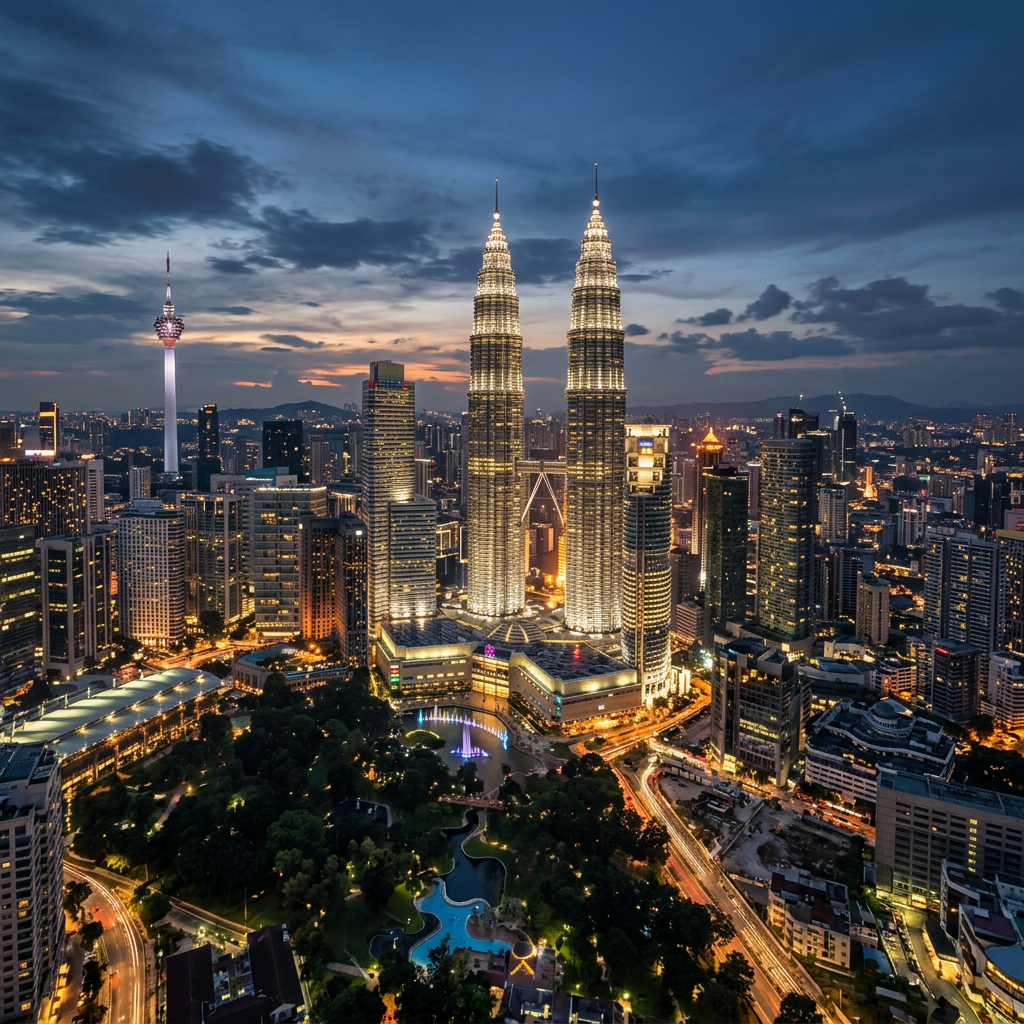
Malaysia: A Tapestry of Cultures, Religions, and Traditions
One of the things that makes Malaysia so special is its incredible diversity. Home to approximately 35 million people, Malaysia is a multicultural nation where Malays make up about 58% of the population, Chinese about 22%, Indians about 6%, and the remainder consists of Indigenous peoples and other ethnic groups. This blend of cultures can be seen everywhere—from the food and languages to the festivals and places of worship.
Malaysia’s history has long been shaped by trade and migration. Located along major maritime trade routes, the Malay Peninsula attracted merchants from China, India, the Middle East, and beyond. Over time, these communities settled and contributed to the country’s unique identity.
One of the best examples of this cultural blending is the Baba-Nyonya, or Peranakan, community. Descendants of Chinese traders who married local Malay women, they developed a distinct culture that combines Chinese and Malay traditions. Visitors can experience this rich heritage in the historic city of Malacca through its architecture, museums, and famous Nyonya cuisine.
Religion also plays an important role in Malaysian society. Islam is the official religion and is practiced by the majority of Malays, but Malaysia is also home to large Buddhist, Christian, Hindu, Sikh, and Taoist communities. What many visitors find fascinating is how these different faiths coexist. It is not uncommon to find a mosque, temple, church, and gurdwara within the same city or neighborhood.
Compared to many Middle Eastern countries, Islam in Malaysia has traditionally been influenced by local customs and Southeast Asian cultural traditions. However, beginning in the 1970s and continuing through the 1980s and 1990s, Malaysia experienced an Islamic revival that brought greater visibility to religious practices and identity. Influenced by domestic politics, global Islamic movements, and stronger educational and economic ties with the Middle East, many aspects of public life became more visibly religious. Having grown up in Malaysia during this period, I’ve personally witnessed these changes over time. Yet despite these shifts, Malaysia remains a multicultural society where diversity continues to be one of its defining strengths.
If you visit Malaysia, take time to explore places that showcase this diversity. Visit Batu Caves, one of the most important Hindu sites outside India. Wander through Kek Lok Si Temple, Malaysia’s largest Buddhist temple. Explore Masjid Jamek in the heart of Kuala Lumpur, and spend a day in Malacca discovering the city’s rich Baba-Nyonya heritage.
When visiting religious sites, remember to dress modestly, remove your shoes when required, and be respectful of local customs. Malaysians are generally warm and welcoming, and visitors who show curiosity and respect are often rewarded with meaningful cultural experiences.
Malaysia is often marketed as “Truly Asia,” and after spending time there, you’ll understand why. It is a country where cultures, religions, and traditions have intersected for centuries, creating a rich and vibrant society unlike any other. Come with an open mind, and you’ll leave with a deeper appreciation for the beauty of diversity.
Sources and Further Reading: Department of Statistics Malaysia (DOSM), Malaysia Tourism Promotion Board, ISEAS–Yusof Ishak Institute, and historical research on Malaysian multiculturalism and Islamization.
 madeinmalaysia